
Anyone who works in a warehouse or distribution center knows forklifts are an essential part of the operation. To keep up with increasing e-commerce fulfillment, shorter order cycles and cost reduction pressures, forklifts must be efficient, durable and reliable for companies to compete in today’s challenging competitive environment.
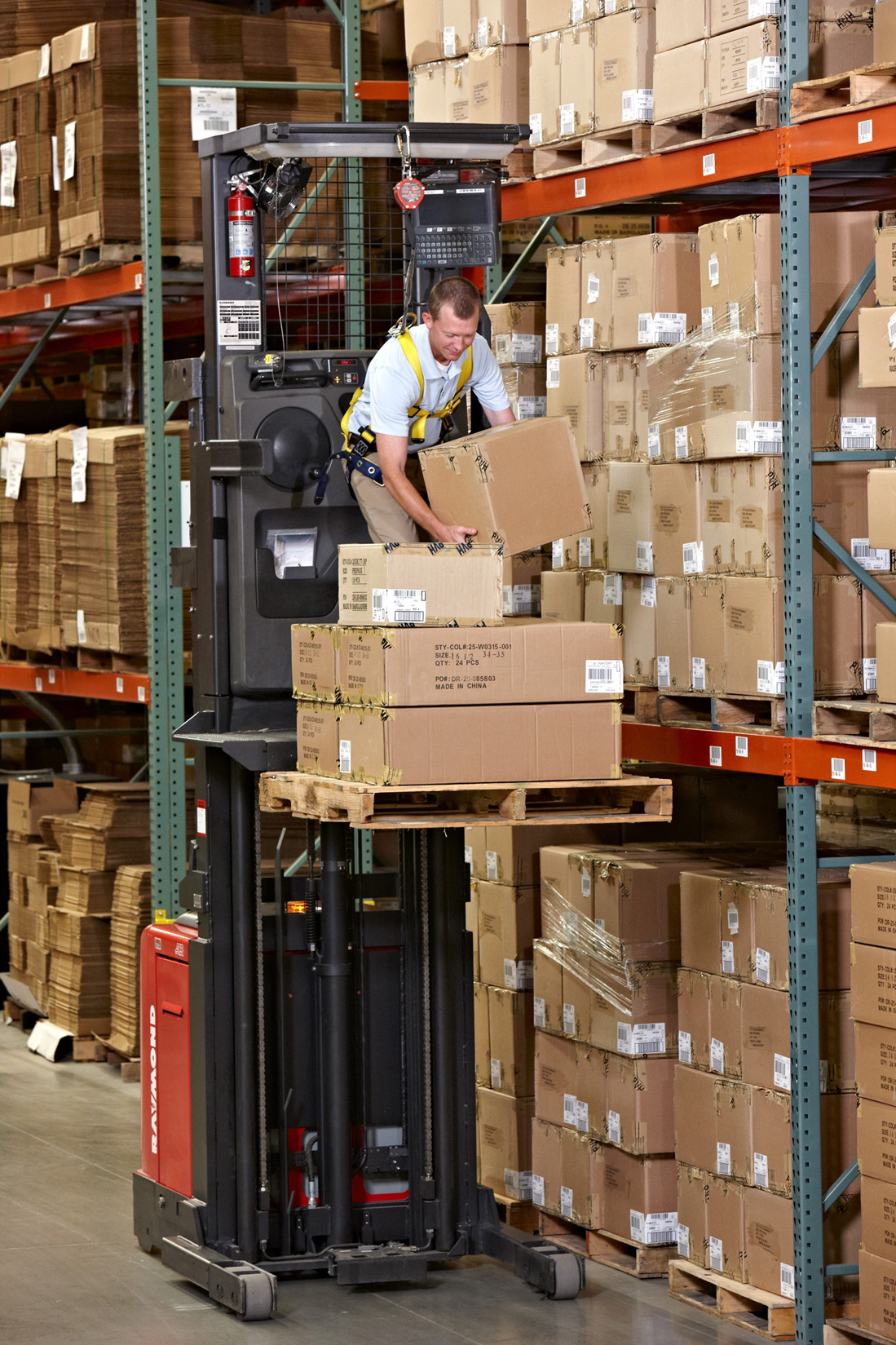 There are several reasons why battery-operated electric forklifts are the most effective option for warehouses, manufacturing, and other indoor applications. Let’s outline what advantages they provide.
Zero Emissions
If you’re primarily using your lift truck indoors, emissions are a very important consideration. Of the internal combustion (IC) models available, only propane or natural gas-fueled lift trucks can be used indoors. Even if you have proper ventilation, their emissions lend to a less than ideal environment. Gas and diesel-powered models should never be used indoors due to the toxic fumes they emit.
Quieter to Operate
IC forklifts have an engine with an exhaust system that’s much louder than electric trucks, especially when accelerating for travel. Electric lifts are much quieter, and often come equipped with travel alarms to alert personnel of their proximity in the warehouse.
More Efficient to Power
Electric forklifts have a lower cost per hour of operation than any IC models. Propane can be very expensive, and if the 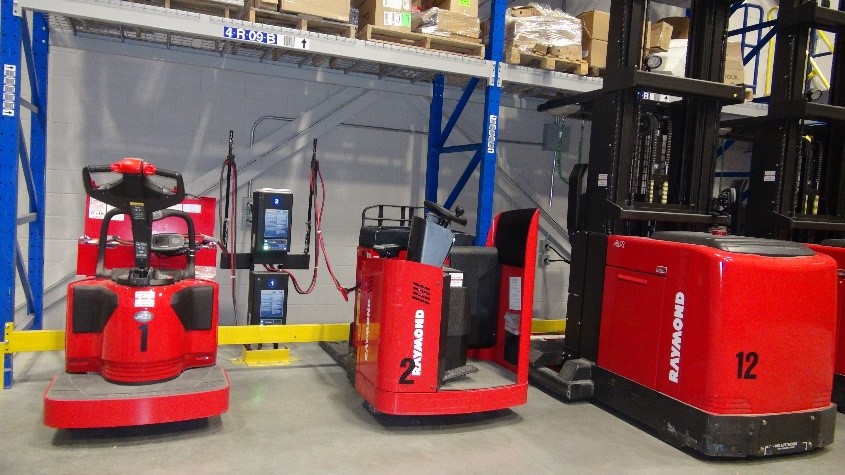 truck is in use a full six hours or more per shift, more than one tank may be required to power the truck. Batteries can be recharged in 6-8 hours or, these days, opportunity charged so they never need to be taken out of service. With today’s efficient charging technology, electric trucks can be recharged for a few dollars per day.
Lower Overall Cost of Ownership
In addition to the purchase price of a new or used electric forklift, you must consider the yearly operating costs. This is an area where electric forklifts excel.
With the introduction of AC motors and controllers and their modular component designs, electric trucks have fewer components, so their overall repair costs have been greatly reduced. For example, the maintenance costs for an electric forklift running an average of 2,000 hours per year, is typically at least half the cost of IC trucks. Also, whereas IC trucks need an engine rebuild after years of use, electric trucks don’t.
Requires Smaller Footprint
Smaller, tighter aisles lead to better storage density and more pallet positions. Stand up electric reach trucks and counterbalanced trucks require 9- to 10-foot aisles whereas four-wheeled IC sit down trucks of similar capacity require at least 12-foot aisles. This can equate to a 20% or more gain in pallet storage density.
Electric Forklifts for Every Application
Thinking about your next lift truck? Raymond electric forklifts are carefully designed and engineered to take warehouse productivity to a new level. As the exclusive Raymond Sales and Service Center in the Northeast, Abel Womack offers a full line of orderpickers, reach trucks, pallet jacks, and more. Our team of lift truck experts can survey your operation and offer recommendations to help you find the right truck to best suit your specific application and unique requirements.



Leave a Reply
You must be logged in to post a comment.